Whispers of the Ligurian Coast
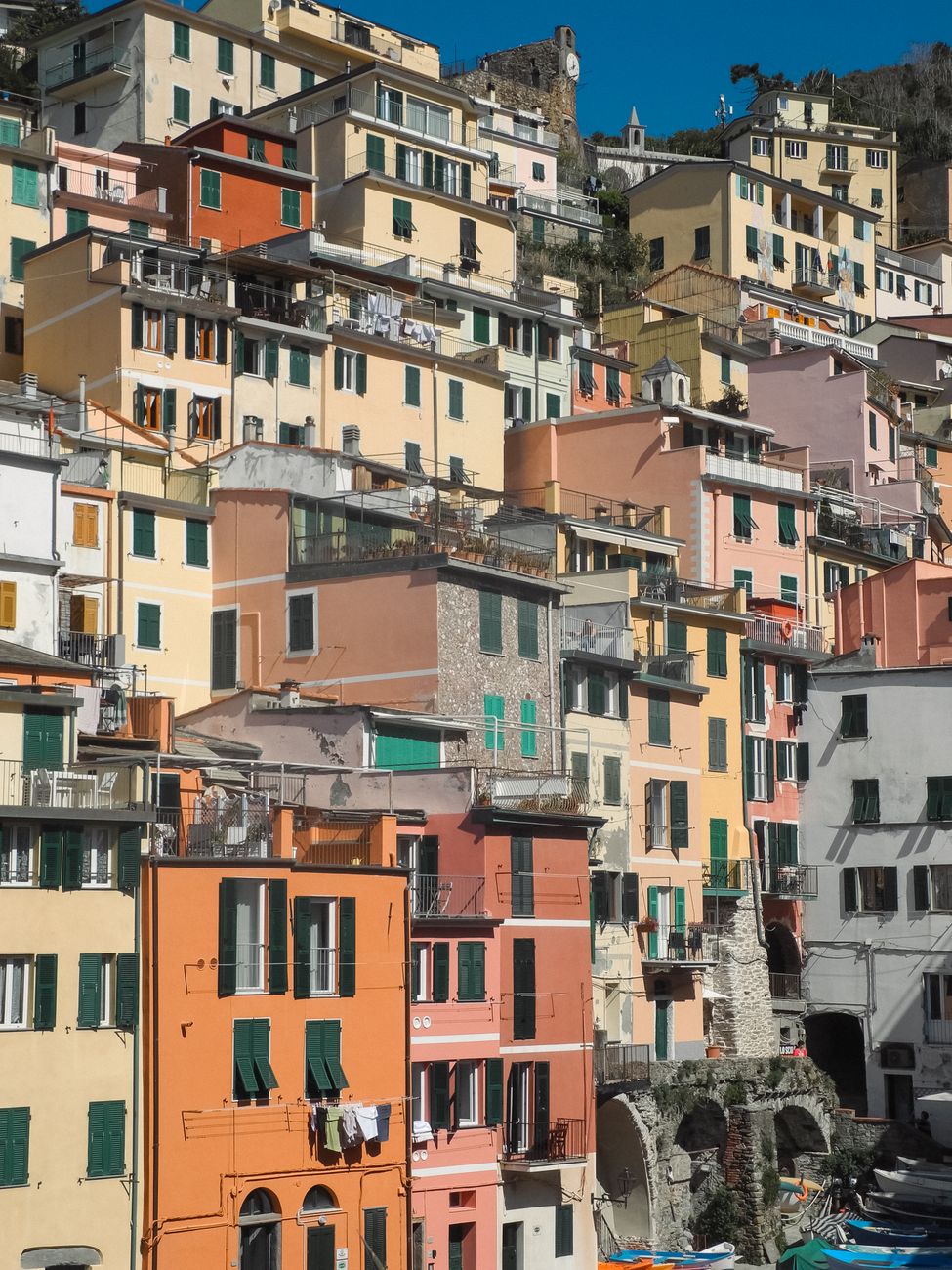
The early morning air carries a distinctive blend of crushed rosemary, saline spray, and warmed limestone that marks the Italian northern coast before the arrival of ferries.
Far above the crowded harbor quays, ancient mule trails wind between terraced hillsides unchanged for centuries. These stone pathways, originally built by monks and local olive farmers, offer a perspective on the Mediterranean coastline rarely documented in conventional itineraries.
The Solitude of Ancient Mule Tracks
Stepping away from the shoreline station and following the red-and-white stone markers, the cacophony of tourist life evaporates within ten minutes of steep ascent. Here, gray-green olive canopies filter the high noon sun, creating rhythmic patterns across drystone walls that have endured winter storms for three hundred years.
We pause in tiny hamlets of barely twenty residents, where lunch is served under wild grape arbors: fresh focaccia dressed in raw green oil, salt-cured anchovies, and chilled Vermentino from small vineyards carved into vertical slopes.
Gastronomy Rooted in Stone and Sea
Ligurian cuisine is famously restrained, reflecting a historically rugged existence where every patch of soil had to be earned from rock. Fresh basil crushed with pine nuts and aged pecorino in marble mortars creates a pesto of startling vibrancy, totally distinct from store-bought renditions.
Visiting small family-run mills in late spring reveals the dedication of local producers safeguarding organic cultivation practices despite challenging mountainous geography.